
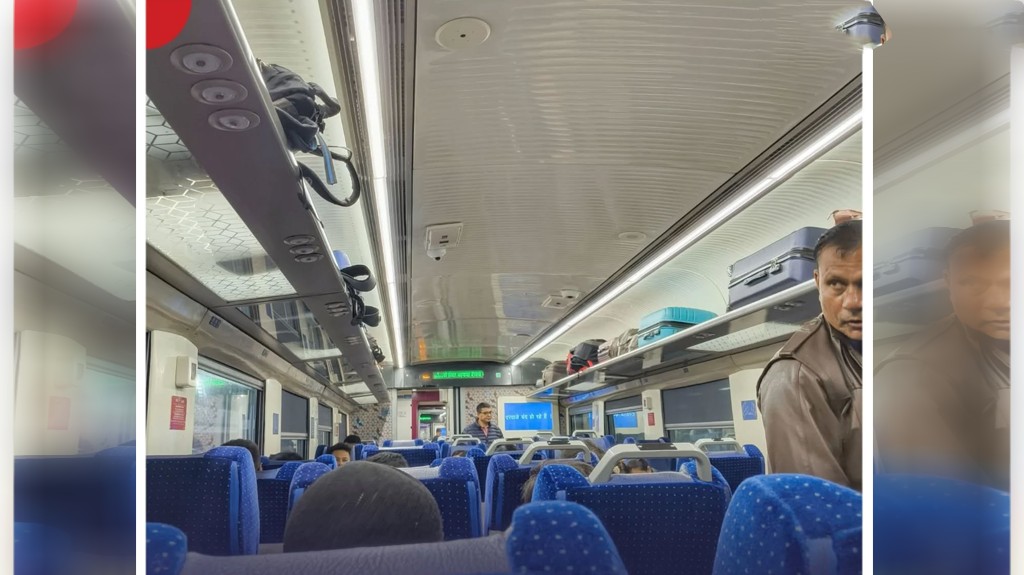
The Indian Railways is set to implement a fare hike for passenger train tickets across the country, citing the need to recover increasing operational costs and invest in better services. The decision comes as part of a broader financial restructuring and modernization effort by the Ministry of Railways.
Key Highlights of the Fare Revision
According to railway officials, the hike will be implemented in a phased manner, affecting primarily non-suburban passenger trains, including both unreserved and reserved categories.
| Train Type | Fare Increase (%) | Effective Date |
|---|---|---|
| Unreserved Passenger | 5% – 7% | To be notified |
| Reserved Second Class | 8% – 10% | To be notified |
| Sleeper Class | 10% – 12% | To be notified |
Note: Suburban trains and essential routes for daily wage laborers and students are expected to be exempted from this increase.
Reasons Behind the Hike
Officials pointed to several critical factors necessitating the revision:
Rising diesel and electricity costs
Inflation in maintenance and manpower expenses
Upgradation of rail infrastructure and safety systems
Need to reduce subsidy burden on Indian Railways
A senior Railway Board member said:
“The fare hike is essential to ensure long-term sustainability. The additional revenue will directly support track modernization, coach cleanliness, and digital booking enhancements.”
Public Reaction & Expert Opinion
The announcement has drawn mixed reactions. While some commuters expressed concern over the rising travel costs, transport economists view the hike as a necessary step to improve overall service delivery.
Transport analyst, Dr. Vivek Sinha, noted:
“Indian Railways still offers one of the most affordable modes of transport globally. A modest fare increase is justified if it translates to better punctuality, cleaner coaches, and safer journeys.”
Future Plans and Relief Measures
Railways is also considering loyalty discounts and dynamic pricing models to balance affordability and revenue.
Student, senior citizen, and differently-abled concessions are expected to remain unaffected.
Conclusion
As the lifeline of India’s transport network, the Indian Railways serves over 23 million passengers daily. The proposed fare revision marks a critical shift towards financial viability and service enhancement, and its real impact will depend on how transparently the additional revenue is reinvested into the system.