
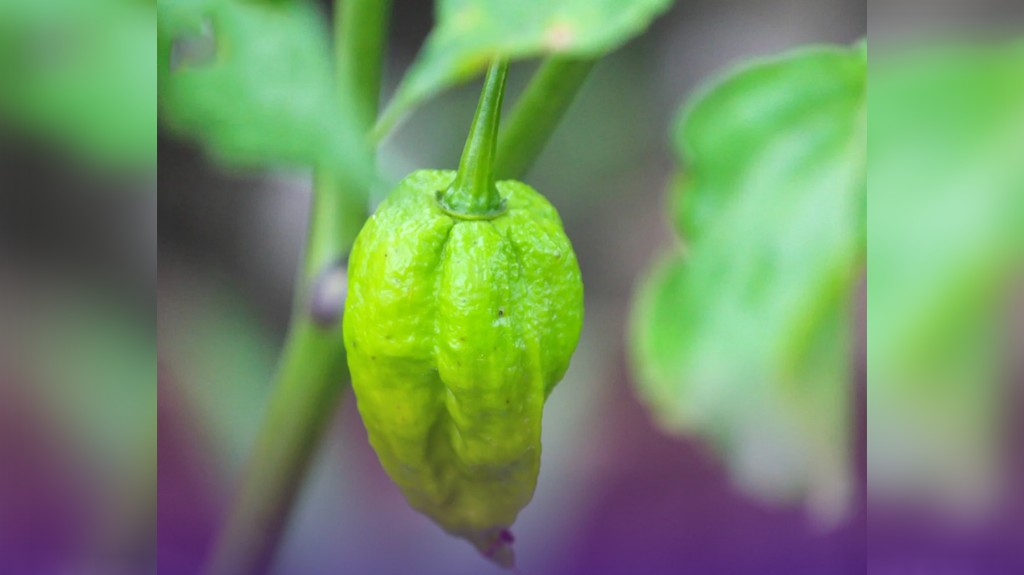
Capsaicin — the pungent compound that gives chili peppers their heat — is emerging as more than just a culinary curiosity. Recent clinical studies and laboratory research suggest that this spicy component may play a promising role in the fight against cancer and the promotion of overall health.
What Is Capsaicin?
Capsaicin is the active compound found in the inner membranes and seeds of chili peppers. It is responsible for the burning sensation when consumed, but scientists are now discovering that its biological impact goes far beyond the taste buds.
Health Benefits of Capsaicin
Several research studies have found capsaicin to possess anti-inflammatory, antioxidant, and analgesic properties, making it valuable in both preventive and therapeutic health care.
| Potential Health Benefits | Details |
|---|---|
| Pain Relief | Used in topical creams to relieve arthritis, neuropathy, and muscle pain |
| Weight Management | May boost metabolism and reduce appetite |
| Heart Health | Helps lower cholesterol and improve blood flow |
| Cancer Treatment Research | Kills or inhibits growth of certain cancer cells in lab studies |
Capsaicin and Cancer: A Burning Hope
Perhaps the most groundbreaking use of capsaicin is in cancer research. Multiple ongoing clinical studies are examining its ability to target and kill cancer cells without damaging surrounding healthy cells.
Promising Areas of Research:
| Type of Cancer | Capsaicin’s Effect |
|---|---|
| Prostate Cancer | Induces apoptosis (cell death) in prostate cancer cells |
| Lung Cancer | Inhibits the spread and triggers cell death in cancerous tissues |
| Leukemia | Slows down or halts growth of leukemia cells |
Researchers caution that while early results are encouraging, capsaicin is not yet a confirmed cure, and larger-scale human trials are still in progress.
A Natural Weapon with a Future in Medicine?
As science continues to explore the medicinal value of natural compounds, capsaicin stands out as a low-cost, plant-derived molecule with high therapeutic potential. Its incorporation into pharmaceutical formulations and cancer treatment protocols may offer a more holistic approach to health care in the years ahead.
Final Thoughts
From kitchens to cancer labs, capsaicin’s journey underscores the age-old belief that nature holds the key to healing. While the world awaits conclusive evidence, one thing is certain: the tiny chili pepper carries more power than meets the eye.