
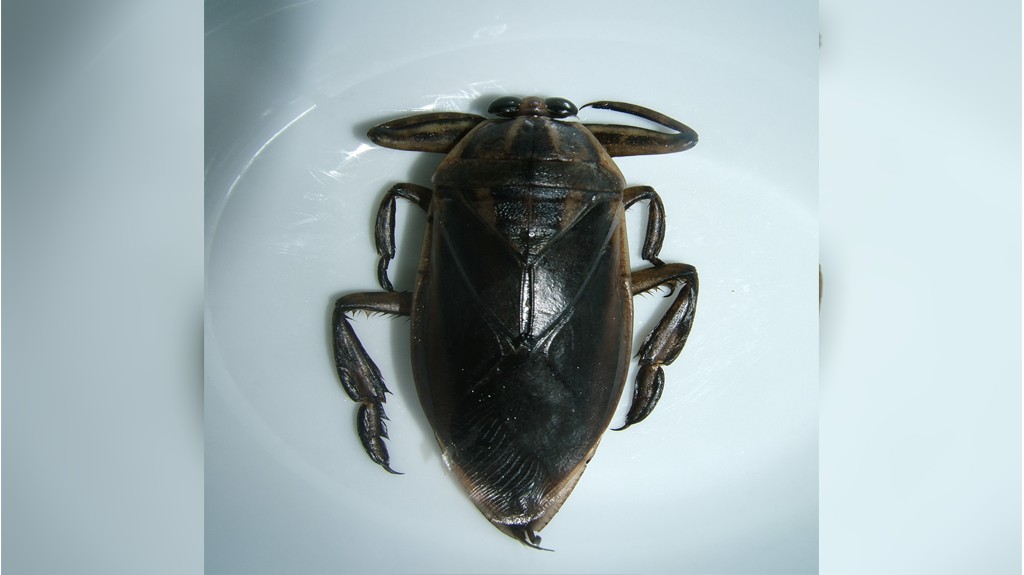
Manipur’s unique edible water bug locally known as ‘Naosek’ (scientific name: Lethocerus indicus), once a cherished delicacy in traditional cuisine, is now on the verge of extinction. Experts warn that unregulated pesticide use in agricultural practices is driving this culturally significant insect toward collapse.
A Culinary and Cultural Symbol Under Threat
Naosek, known for its strong aromatic essence and flavor, is traditionally consumed in chutneys and condiments that are deeply embedded in Manipuri culinary heritage. Found naturally in paddy fields, ponds, and wetlands, the insect has been harvested for generations.
However, its natural habitat has come under severe threat due to widespread pesticide usage, habitat loss, and the drying up of wetland ecosystems.
Key Reasons Behind Decline
| Cause | Impact on Naosek Population |
|---|---|
| Pesticide Use | Direct poisoning and destruction of natural breeding grounds |
| Habitat Loss | Urbanization and infrastructure cutting through wetlands |
| Overharvesting | Unregulated collection reducing viable breeding stocks |
| Climate Change | Unpredictable rainfall patterns affecting aquatic ecosystems |
Experts Call for Organic and Sustainable Practices
Entomologists and local environmentalists are urging immediate interventions to conserve Naosek. Prominent voices in the field have recommended promoting organic farming, restoring wetland habitats, and creating community awareness about sustainable harvesting practices.
“Naosek is not just food—it’s a part of our identity. We must protect its habitat through ecological farming and wetland conservation,” said a researcher from Manipur University.
The bug is not only important for culinary purposes but also plays a vital role in the aquatic food chain, acting as a predator of mosquito larvae and other pests.
Government and Community Response Needed
Activists are calling upon the Manipur government and agricultural departments to enforce pesticide regulations, initiate conservation programs, and support local farmers in adopting eco-friendly methods.
| Proposed Action | Purpose |
|---|---|
| Ban on harmful pesticides | Prevent toxic impact on aquatic biodiversity |
| Incentivize organic paddy cultivation | Encourage safer farming and biodiversity recovery |
| Habitat Restoration Programs | Recreate breeding spaces for native species like Naosek |
| Community Awareness Drives | Promote sustainable harvesting and traditional knowledge |
A Vanishing Flavor?
Without urgent intervention, future generations of Manipuris may only hear of Naosek in stories. Its disappearance would mark not just the loss of a species, but the erosion of cultural heritage tied to food, ecology, and identity.