
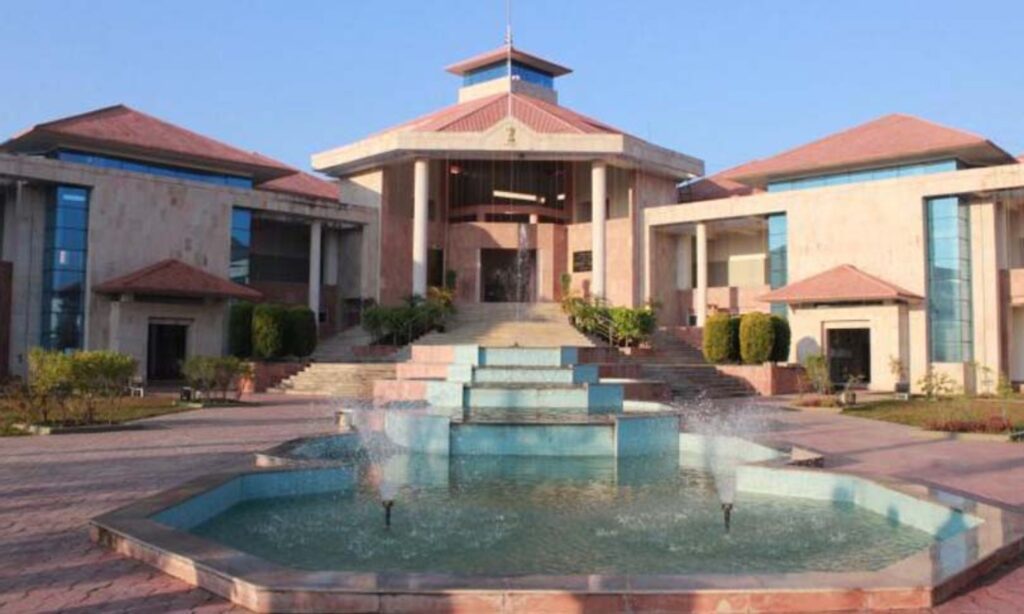
The Manipur High Court has reaffirmed the core principle of grassroots democracy by ruling that administrative committees cannot be a substitute for elected representatives in local self-governance. The court emphasized that the Panchayati Raj framework derives its legitimacy only through free and fair elections, not through ad hoc arrangements.
Context: A Long Delay in Panchayat Elections
Manipur’s Panchayat elections were last conducted in 2017. As per the Manipur Panchayati Raj Act, 1994, fresh elections were due in 2022, but ongoing unrest and administrative challenges led to repeated delays. In the meantime, the state government appointed administrative committees to manage day-to-day functioning of panchayats.
Several petitions were filed questioning the legality of this arrangement, arguing that it undermined democratic participation at the village level.
The Court’s Observation
In its latest order, the High Court observed:
Administrative convenience cannot override constitutional mandates.
Local self-governance is meaningful only when exercised through directly elected representatives of the people.
Temporary arrangements may be made for continuity, but these cannot replace elections, which are the backbone of democratic accountability.
Why the Ruling Matters
The judgment comes at a critical time when citizens and civic groups have raised concerns about the absence of elected local bodies in Manipur. By underscoring that “committees are not a substitute for elections,” the court has effectively directed the state to prioritize and expedite the electoral process.
| Key Points from the HC Ruling | Implications |
|---|---|
| Committees cannot replace elected panchayats | State govt must conduct polls at the earliest |
| Local self-governance flows from elections | Strengthens democratic legitimacy |
| Delays weaken accountability | Citizens’ right to representation reaffirmed |
Upholding the Spirit of the Constitution
The High Court’s stance aligns with the 73rd Constitutional Amendment, which institutionalized Panchayati Raj as the foundation of rural democracy in India. The ruling reinforces that grassroots participation is not optional, but a constitutional guarantee.
What’s Next?
The state government is now under pressure to announce a clear timeline for Panchayat elections. The High Court’s directive serves as both a reminder and a warning—that while interim solutions may keep administration running, they cannot erode the constitutional promise of local self-governance.