
Manipur’s tourism industry has been dealt a devastating blow. Tourist arrivals in the state have plunged by more than 90 percent over the past five years — falling from 1.79 lakh (179,000) visitors in the 2019–20 financial year to a mere 17,000 in 2024–25, official data reveals.
During a review meeting with Union Minister of State for Home Affairs, Shri Bandi Sanjay Kumar, state officials attributed this near-total collapse to two intertwined factors: the prolonged ethnic unrest between the Meitei and Kuki-Zo communities, and the sharp escalation in airfare prices that has made travel to Manipur nearly unaffordable for most.
A Freefall in Tourist Numbers
In the last normal tourism season before the conflict began, Manipur welcomed 1.67 lakh domestic and 12,000 foreign tourists — numbers that reflected a steady upward trend following the 2018 Sangai Festival and improved road infrastructure.
However, for the current financial year, only 15,700 domestic and 1,300 foreign visitors have been recorded, marking one of the steepest tourism declines in India’s Northeast.
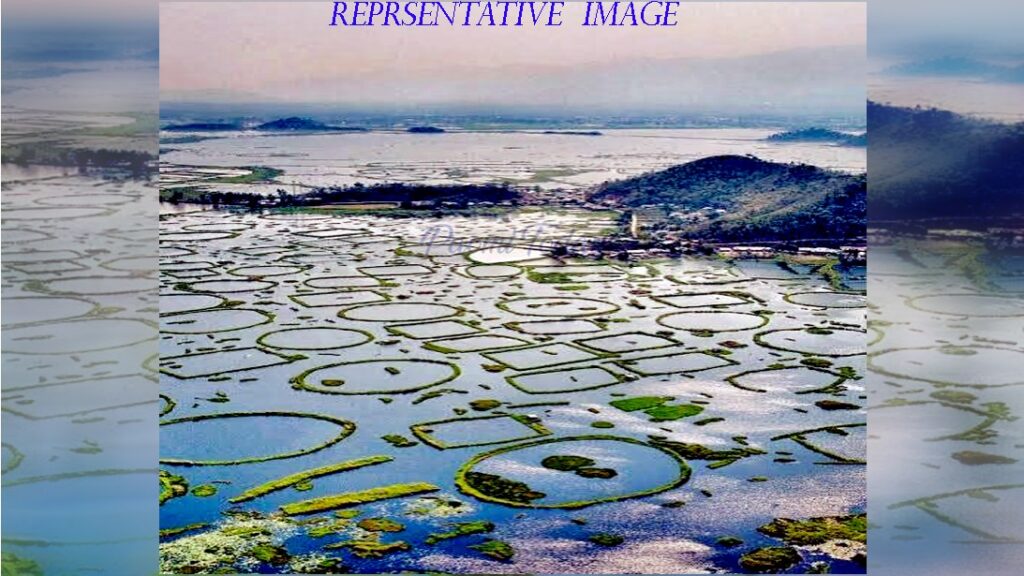
Tourism officials say the chain reaction has been brutal: homestays shuttered, local transport idle, guides jobless, and crafts markets deserted. Once-bustling areas like Loktak Lake, Kangla Fort, and Ukhrul’s hill circuits now wear a deserted look.
“The human cost is as real as the numbers. Thousands of families depended on this sector for daily income,” said a senior tourism officer in Imphal.
Conflict and Connectivity: The Double Hit
The ongoing ethnic clashes, which erupted in May 2023, have deeply fractured mobility and public confidence. Inter-district travel remains restricted in several areas, while international tourists have avoided the region due to safety advisories and logistical uncertainty.
Adding to the crisis, airfares have skyrocketed. A one-way ticket from Imphal to Guwahati, a 45-minute flight, now costs between ₹10,000 and ₹15,000, compared to ₹2,000–₹3,000 before the conflict. Fares on routes to Kolkata and Delhi have also surged.
With highways frequently disrupted and the state still lacking operational rail connectivity, air travel remains the only reliable route — and the costliest.
State Seeks Urgent Central Intervention
At the review meeting, Manipur officials urged the Union Minister to take up the airfare issue with the Ministry of Civil Aviation. They stressed that the state’s isolation and fragile security situation make affordable air connectivity essential not just for tourism, but also for trade, healthcare, and emergency movement.
The Union Minister assured that the Centre would look into fare regulation and flight frequency issues, acknowledging the urgent need to stabilize connectivity to Imphal and revive confidence in the state’s economy.
Tourism Revival: Beyond the Numbers
Tour operators and local entrepreneurs say that recovery will depend on peacebuilding, affordable transport, and strategic promotion once the situation normalizes.
“Peace will bring back tourists — but affordability will bring them faster,” said S. Shantibala, a homestay owner near Loktak. “We don’t need sympathy; we need connectivity and confidence.”
Experts suggest launching targeted campaigns such as “Rediscover Manipur”, emphasizing cultural tourism, eco-trails, and indigenous art to rebuild the state’s image once stability returns.
For now, the numbers tell a grim story — but the hope, much like Manipur’s resilience, still endures.