
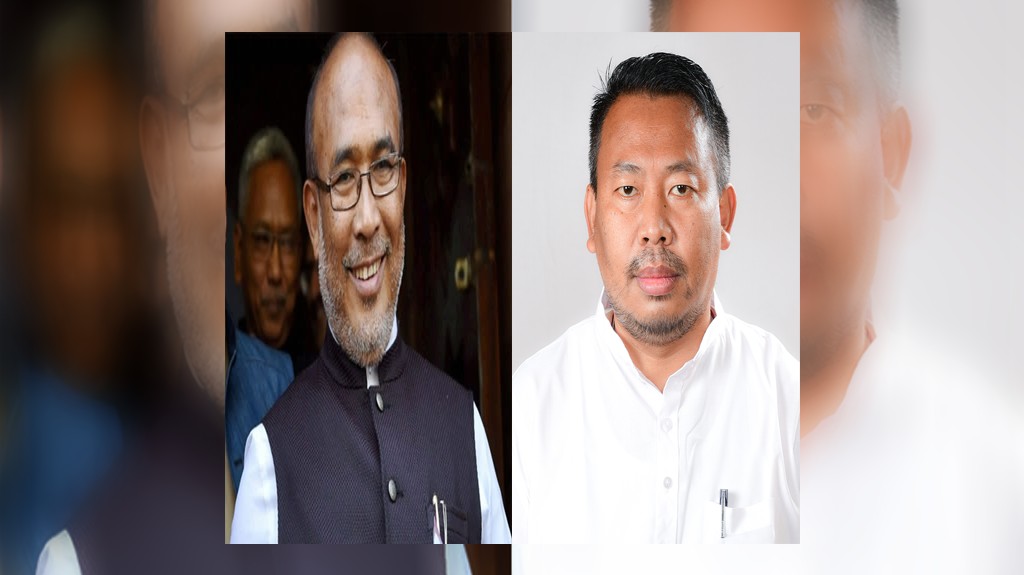
Former Manipur Chief Minister and senior BJP leader N. Biren Singh released Prime Minister Narendra Modi’s latest book, Emergency Diaries, at a solemn ceremony held at Thambal Shanglen, the BJP state headquarters in Keishampat, Imphal. The book delves into the harrowing period of the Emergency imposed in 1975, offering a personal and political account from the Prime Minister’s perspective.
📖 About the Book: Emergency Diaries
Authored by PM Narendra Modi, Emergency Diaries revisits the 21-month period (1975–1977) when civil liberties were curtailed and opposition leaders were jailed under the then Indira Gandhi-led Congress government. The book highlights stories of resistance, repression, and the enduring spirit of Indian democracy.
🎤 Key Highlights from N. Biren Singh’s Address
At the book release function, N. Biren Singh reminded attendees that the Emergency was not just a national event but also impacted Manipur, where ten individuals were arrested and imprisoned under the draconian laws.
“If we do not rectify the wrongs of the past, we cannot build a clean and just future. A new and upright generation can only emerge when past wrongdoings are addressed,” he said.
He further linked the message of the book to the current situation in Manipur, asserting that the ongoing unrest in the state is part of the struggle to correct historical injustices.
“This violence is a consequence of our efforts to set things right. Since assuming office, my government has been working consistently to correct past misdeeds and restore justice.”
🏛️ Event Details
| Event | Details |
|---|---|
| Occasion | Book Release: Emergency Diaries |
| Author | PM Narendra Modi |
| Chief Guest | Former CM N. Biren Singh |
| Venue | Thambal Shanglen, BJP HQ, Imphal |
| Date | June 28, 2025 |
| Special Mentions | 10 Manipuris arrested during Emergency |
| Audience | BJP leaders, intellectuals, citizens |
🗳️ Broader Significance
The event served not only as a literary release but also as a political statement — a call to preserve democratic values, learn from past governance failures, and address longstanding regional grievances. The atmosphere at the event was reflective and charged with political relevance, especially in light of Manipur’s ongoing ethnic and civil tensions.
Party leaders and intellectuals attending the ceremony lauded the book as a timely reminder of the fragility of democracy and the need for constant vigilance against authoritarianism.
Conclusion:
The release of Emergency Diaries in Manipur, a state deeply affected by historical neglect and political instability, symbolized more than just a literary moment — it echoed a deeper political reckoning with the past. As former CM N. Biren Singh noted, acknowledging and addressing past injustices is key to building a more just, democratic, and peaceful future for Manipur and the nation at large.