
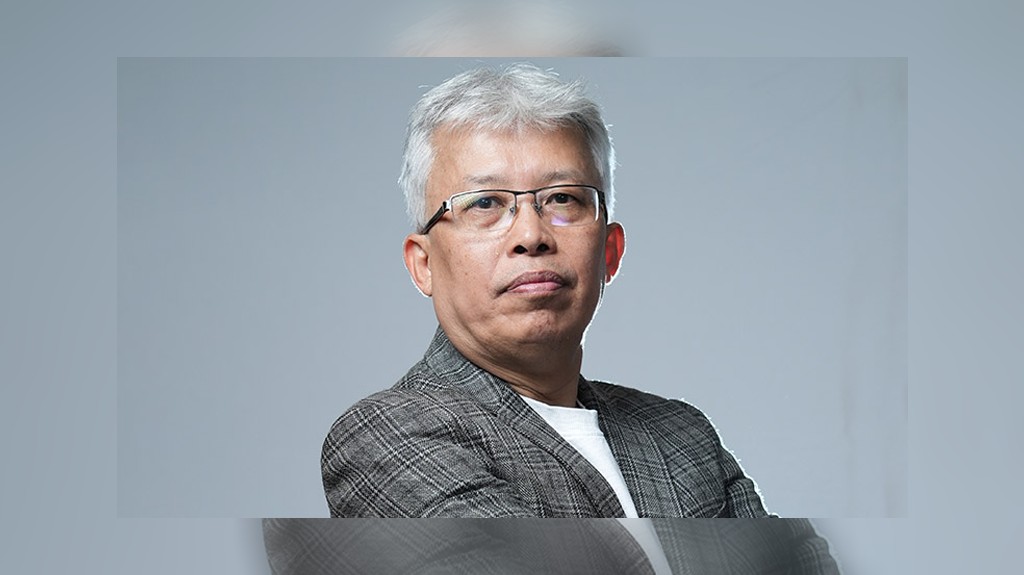
A fresh controversy has erupted over the recent report on the Manipur conflict released by the People’s Union for Civil Liberties (PUCL), after Dr. Angomcha Bimol Akoijam, Member of Parliament (Inner Manipur), issued a strongly worded letter denouncing the findings.
Released on 20 August 2025, the PUCL report sought to highlight the human rights implications of ongoing violence in the state. However, Akoijam described the document as “insensitive, intellectually bankrupt, and ideologically biased”, accusing the rights group of presenting a skewed picture of the conflict.
Allegations of Bias and Orientalism
In his letter, Akoijam charged PUCL with adopting what he termed “racist orientalism and partisan orientation.” He argued that the report unfairly framed the Meitei community as aggressors aligned with BJP and Hindutva forces, while depicting the Kuki community exclusively as victims.
“This reductionist portrayal is not only factually questionable but also dangerous in a deeply divided society,” Akoijam wrote, warning that such narratives risk deepening mistrust and fueling fresh violence.
BJP, SoO, and Misrepresentation of Anger
The MP also pushed back against the report’s suggestion that Meitei communities had directed their anger at Home Minister Amit Shah for mishandling the crisis. Instead, he pointed to what he called the BJP’s political and security linkages with Kuki armed groups under the Suspension of Operations (SoO) agreement, arguing that this aspect was entirely missing from PUCL’s analysis.
Selective Use of Victim Imagery
One of Akoijam’s sharpest criticisms was directed at the selective representation of victims in the PUCL report. According to him, the report relied heavily on images of Kuki casualties while omitting those of Meitei victims, thereby creating a “visually one-sided narrative.”
“By choosing to highlight only one side’s suffering, the report does injustice to the full scope of the tragedy. Such representation cannot claim neutrality or credibility,” he wrote.
A Call for Withdrawal and Apology
Labeling the report a “dangerous blunder”, Akoijam demanded that PUCL withdraw the publication immediately and issue a public apology to help restore a measure of balance in the fragile peace process.
Copies of his letter were reportedly sent to jurists, scholars, and activists associated with PUCL’s fact-finding exercise, many of whom had publicly endorsed the report.
Broader Implications
The backlash underscores the fragile and polarized nature of narratives around the Manipur conflict. Civil society groups, including PUCL, have long played a role in documenting human rights violations, but the sharp criticism from a sitting MP highlights the risks of perceived partiality in volatile situations.
While PUCL has yet to respond publicly to Akoijam’s demand, political observers suggest the episode could influence both domestic opinion and international discourse on the Manipur crisis, where representation of victimhood and aggression often shapes larger debates on justice, accountability, and peace.