
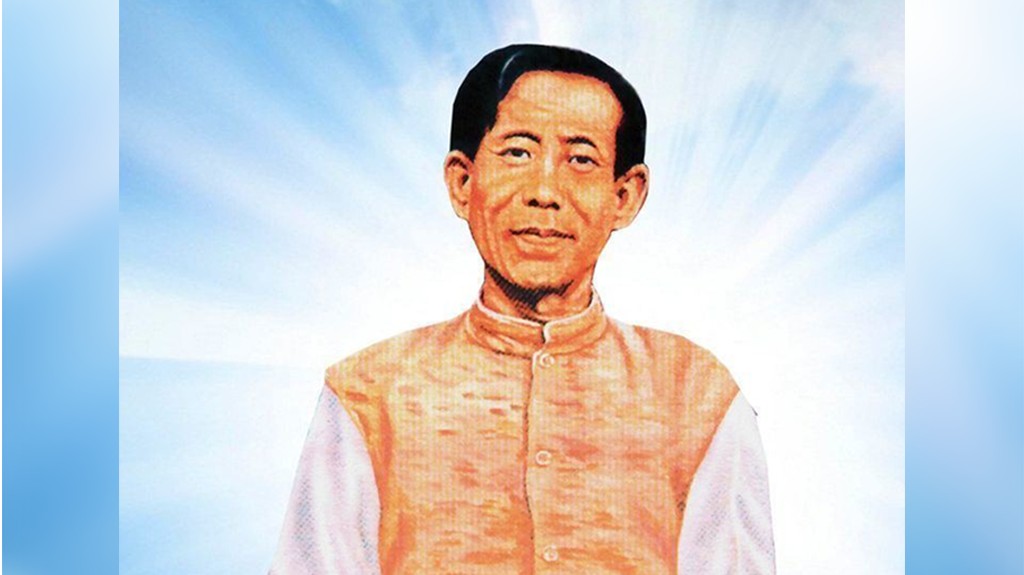
Today, Manipur observes Irabot Day, commemorating the life and legacy of Lamyanba Hijam Irabot (1896–1951) — a revolutionary leader, social reformer, and cultural icon whose vision transformed the state’s political and social landscape.
The Man and His Movement
Hijam Irabot, widely known as Lamyanba (meaning “the flame”), was more than just a politician. He was a poet, journalist, theatre activist, and above all, a people’s leader. He championed the cause of the poor, the peasants, and the working class, fighting against feudal oppression and colonial domination.
Through his writings, speeches, and grassroots activism, Irabot ignited a spirit of awareness and resistance, proving that one voice, when fueled by courage and conviction, can transform society.
Cultural & Political Legacy
Irabot’s activism extended far beyond politics. He promoted sports, literature, and theatre as tools for social consciousness. His role in the peasant uprisings of the 1930s and 1940s marked a turning point in Manipur’s history, placing the struggles of ordinary people at the heart of the state’s political narrative.
Even in exile, his revolutionary spirit continued to inspire movements for justice, equality, and dignity.
Why Irabot Day Matters
Each year, Irabot Day is not only a tribute to his memory but also a reminder of the values he stood for — justice, equality, and the empowerment of the marginalized. His legacy resonates deeply in contemporary times, as society continues to grapple with issues of inequality, governance, and social change.
A Flame That Still Burns
As Manipur pays homage today, the message of Lamyanba Irabot remains clear: real change begins with the courage to speak and act for others. His life continues to inspire generations to rise above fear, challenge injustice, and believe in the power of collective action.