
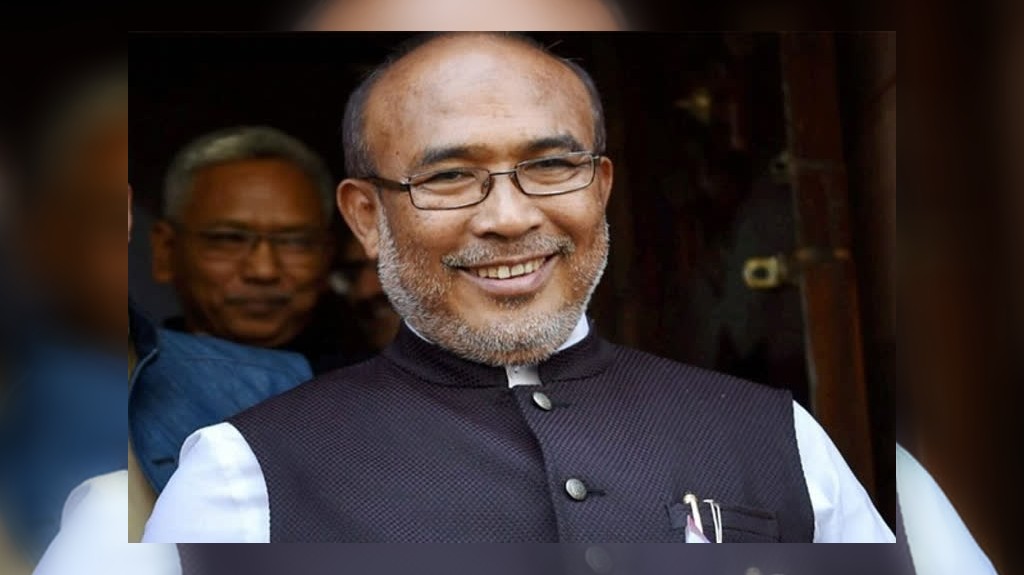
The National Forensic Science Laboratory (NFSL), Gandhinagar, has informed the Supreme Court of India that the audio recordings purportedly implicating former Manipur Chief Minister N. Biren Singh in the ongoing ethnic conflict bear signs of modification and are not suitable for forensic voice comparison.
The top court, after perusing the sealed NFSL report, has directed that the findings be shared with all parties involved in the case and listed the matter for further hearing on December 8.
NFSL Flags Tampering in Four Audio Exhibits
According to the report submitted to the Court, four audio exhibits were examined and found to have been altered or edited, failing to represent original, continuous recordings. The laboratory concluded that due to the modifications and lack of raw audio data, a reliable voice comparison could not be scientifically carried out.
NFSL’s findings mark a crucial development in the case, as the authenticity of the audio clips has been central to the allegations made by the petitioner organization, the Kuki Organization for Human Rights Trust (KOHRT).
Contradictory Expert Opinions Surface
The petitioner’s counsel, Advocate Prashant Bhushan, told the Court that an earlier independent examination by Truth Labs, a private forensic agency, had indicated a 93% probability match between the questioned voice samples and the control specimen attributed to the former Chief Minister.
The stark contrast between the Truth Labs report and the NFSL’s findings has now created a complex forensic dispute before the apex court, with both sides expected to seek further clarification or possibly call for a third, independent evaluation.
Supreme Court’s Earlier Orders
The Supreme Court had in August 2025 directed the NFSL, Gandhinagar, to conduct an advanced forensic examination of the recordings after previous analyses by regional forensic facilities failed to produce conclusive results.
The petitioners had alleged that the audio contained statements made during the height of the Manipur unrest, which could point to administrative complicity or dereliction of duty. The former Chief Minister has categorically denied any involvement or wrongdoing, describing the allegations as “politically motivated fabrications.”
Court Orders Report Sharing, Next Hearing Set for December 8
During Tuesday’s proceedings, the bench, after reviewing the NFSL’s sealed findings, ordered that the report be circulated among all counsels and parties for study ahead of the next hearing.
Legal experts note that the case now hinges on the admissibility and credibility of forensic evidence. “If NFSL’s findings stand, it could significantly weaken the evidentiary value of the tapes. However, the petitioner may push for an additional technical review or cross-verification,” said a senior Supreme Court advocate familiar with forensic cases.
The Court will resume hearings on December 8, when both the petitioner and respondent are expected to make submissions on the forensic discrepancies and future course of action.
Background: Manipur Conflict and Alleged Recordings
The disputed audio surfaced earlier this year amid escalating ethnic violence in Manipur, allegedly featuring a voice resembling that of N. Biren Singh making inflammatory remarks. The controversy prompted calls for a forensic probe to ascertain authenticity.
The NFSL report now marks a turning point in the matter, shifting focus from the political to the scientific — and setting up a key test for evidentiary standards in the digital age.