
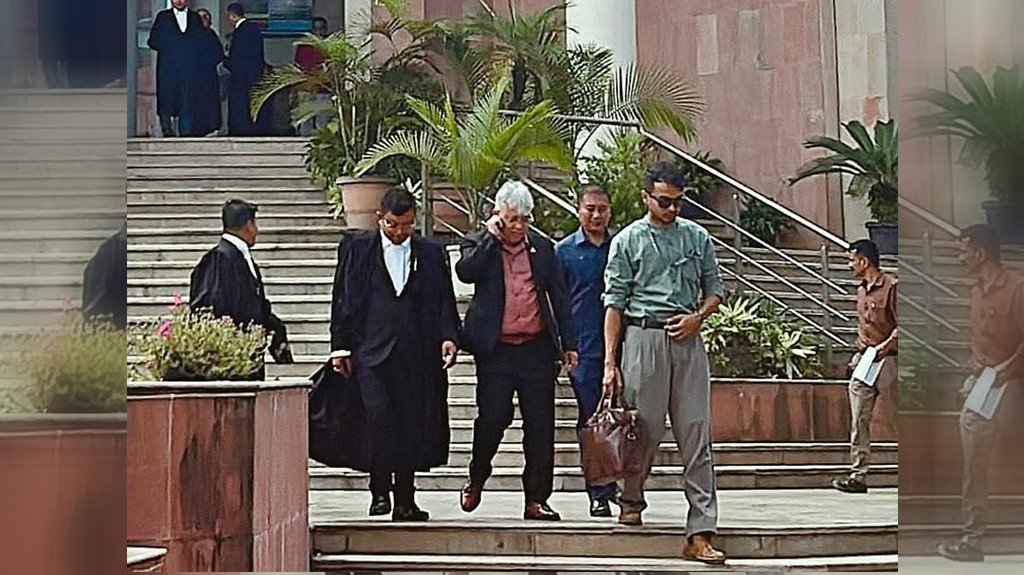
The High Court of Manipur on Tuesday issued notices to the concerned state authorities after admitting a petition filed by Lok Sabha MP Dr. Angomcha Bimol Akoijam, who raised serious concerns regarding the supply of tap water and alleged irregularities under the Jal Jeevan Mission (JJM) in the state.
According to official sources, the court’s order came after preliminary hearings on Dr. Akoijam’s writ petition, which seeks judicial intervention to ensure transparency, accountability, and effective delivery of potable water to households under the centrally sponsored JJM scheme.
The notices have been directed to officials of the Public Health Engineering Department (PHED) and other relevant agencies involved in the planning and implementation of the mission across Manipur.
Background: Allegations of Poor Execution
Dr. Akoijam, who represents Inner Manipur in the Lok Sabha, filed the petition citing multiple complaints from residents regarding the poor quality and erratic supply of tap water despite the allocation of substantial funds under the JJM initiative.
The Jal Jeevan Mission, launched by the Government of India in 2019, aims to provide functional household tap connections (FHTCs) to every rural household by ensuring safe and adequate drinking water through individual connections by 2024.
However, the MP’s petition alleges serious lapses in the implementation of the scheme in various districts of Manipur, including non-functional taps, inflated beneficiary data, and lack of community involvement in water quality monitoring.
The petition reportedly includes photographic evidence and reports from multiple villages showing incomplete infrastructure and defunct pipelines.
Court’s Directive and Next Steps
During the hearing, the Hon’ble High Court observed that access to clean drinking water is a basic constitutional right under Article 21, and any systemic failure or irregularity in its implementation warrants judicial oversight.
Issuing notices to the respondents, the Court has sought a detailed response and compliance report from the concerned authorities within a stipulated period.
A senior advocate familiar with the case said, “The Court’s intervention is significant because it can ensure institutional accountability and transparency in how funds and projects under JJM are being utilized.”
The matter is expected to come up for further hearing after the authorities file their affidavits.
Public Response and Broader Implications
Local civic groups and water rights activists have welcomed the Court’s move, saying it reflects growing public frustration over the gap between official claims and ground realities in essential service delivery.
A social activist from Imphal East remarked, “Many households still depend on private water tankers or contaminated wells. This petition gives hope that someone in authority is holding the system accountable.”
The case could have wider implications for transparency in rural development schemes across the Northeast, particularly where project execution, monitoring, and social auditing remain inconsistent.
Next Hearing
The case has been scheduled for further hearing in the coming weeks. The Court is expected to review the compliance reports before deciding on possible directions to ensure corrective measures in the implementation of JJM in Manipur.