
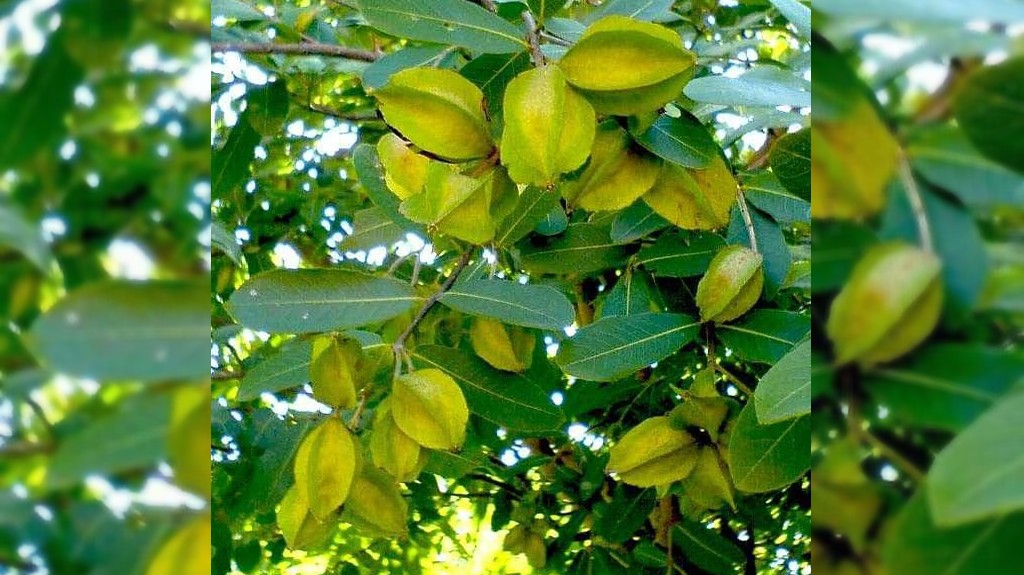
Traditional medicinal plants continue to play an important role in community healthcare across Manipur, where generations have relied on forest-based remedies for everyday health concerns. Among these plants, the Mayokpha tree—known botanically as Terminalia arjuna—holds a special place in indigenous healing traditions.
Often referred to simply as the Arjuna tree, Mayokpha is widely recognised for its therapeutic properties, particularly those linked to heart health. Local healers and traditional practitioners have long used the bark of the tree in herbal preparations aimed at strengthening the cardiovascular system and improving overall well-being.
A Tree with Deep Medicinal Roots
The medicinal value of Mayokpha lies mainly in its bark, which contains several biologically active compounds including flavonoids, polyphenols and tannins. These compounds are known for their antioxidant properties, helping the body combat oxidative stress that can damage cells and tissues.
In traditional medicine systems, the bark is often prepared as decoctions or powdered extracts. These preparations have historically been used to support heart function, reduce cholesterol levels and help maintain healthy blood pressure.
Local practitioners say the plant has also been used to ease symptoms associated with heart conditions such as angina, irregular heartbeats and mild cardiac weakness.
Broader Health Benefits
Beyond cardiovascular health, the Mayokpha tree is valued for a range of other medicinal qualities.
Traditional knowledge suggests the plant has anti-inflammatory and antimicrobial properties, making it useful in managing certain infections and inflammatory conditions. The plant is also believed to act as a mild diuretic, helping regulate fluid balance in the body.
Some herbal formulations using Mayokpha are also associated with improved blood sugar control and protective effects on organs such as the liver and kidneys. These benefits are often attributed to the plant’s strong antioxidant profile.
Indigenous Knowledge and Local Healthcare
Across many communities in Manipur, medicinal plants like Mayokpha remain an accessible form of healthcare. Indigenous knowledge systems have historically documented which plants can treat common ailments, how they should be prepared, and the conditions under which they are most effective.
Such knowledge has been passed down orally through generations and continues to influence local health practices today.
However, experts caution that while traditional remedies have long-standing cultural value, proper scientific evaluation and responsible use remain important. Many medicinal plants are now being studied more closely by researchers seeking to understand their pharmacological properties and potential role in modern medicine.
Preserving Traditional Wisdom
As interest in natural and plant-based medicine grows globally, many researchers and environmental groups stress the need to preserve both the plants themselves and the traditional knowledge surrounding them.
For communities in Manipur, the Mayokpha tree is more than just a medicinal resource. It represents a link between cultural heritage, biodiversity and healthcare traditions that have endured for centuries.