
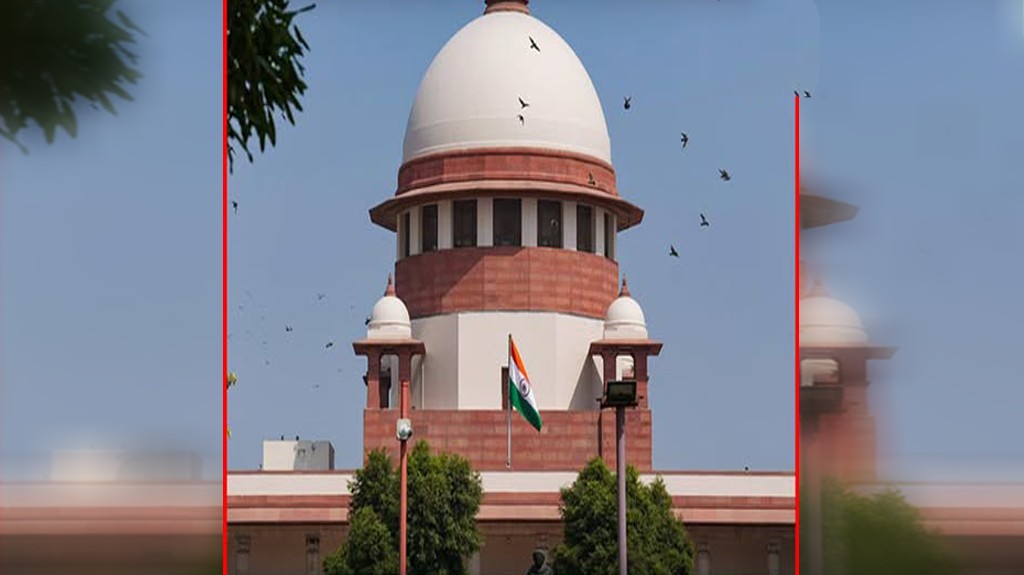
In a significant step toward enhancing judicial administration and streamlining internal operations, the Supreme Court of India has amended its rules to mandate that its registry and offices will now function on the 2nd and 4th Saturdays of every month.
This move marks a departure from the traditional working schedule of central government institutions, which typically observe Saturdays as non-working days. The decision is aimed at improving the pace and efficiency of case management, administrative processing, and overall court functioning.
Key Highlights of the New Directive
| Change Implemented | Details |
|---|---|
| New Working Days | 2nd and 4th Saturdays of every month |
| Departments Affected | Supreme Court Registry and Administrative Offices |
| Objective | To enhance court administration and operational efficiency |
| Effective From | Date yet to be formally notified |
According to court officials, the new schedule will help in clearing administrative backlogs and supporting timely preparation for court proceedings, particularly in handling high volumes of paperwork, filings, and case-related tasks.
Background and Rationale
The Supreme Court has been taking steps to modernize and improve the efficiency of the judicial system. With growing public demand for faster delivery of justice, the working-hour reforms are intended to create a more responsive and accessible court structure.
Legal experts have welcomed the move as a proactive measure. “This change reflects the judiciary’s commitment to reforms. While it does not affect court hearings directly, it strengthens the backbone of judicial infrastructure,” said a senior legal analyst.
No Impact on Court Hearings
It is important to note that while the registry and administrative offices will be operational, regular court hearings are not scheduled on Saturdays. This move strictly pertains to the administrative machinery behind the functioning of the apex court.
The implementation date of the amended rule is expected to be notified soon through an official circular.