
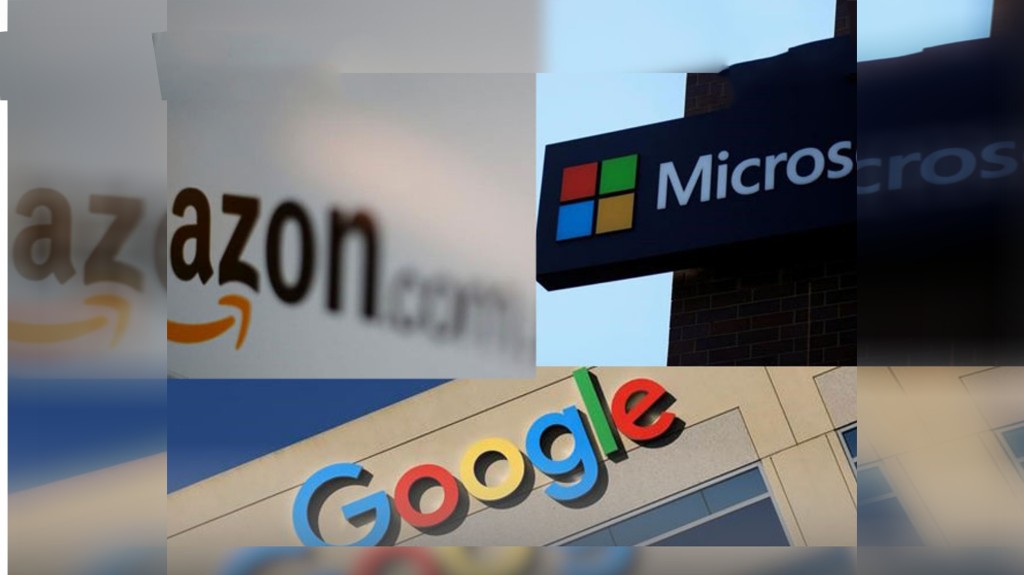
A bombshell report released by the United Nations Special Rapporteur on human rights in the occupied Palestinian territory, Francesca Albanese, has named 48 corporate entities, including some of the world’s most powerful tech companies, for allegedly aiding and profiting from Israel’s actions in Gaza and the West Bank—actions the report characterizes as “genocidal” and “in breach of international law.”
Titled “From Economy of Occupation to Economy of Genocide,” the report details the systemic role that corporations play in enabling and sustaining Israel’s prolonged occupation, which Albanese frames as not only illegal under international law, but now part of a “joint criminal enterprise.”
Key Accusations: Corporate Support for International Crimes
The report alleges that these corporations have:
Enabled forced displacement of Palestinians.Supplied tools and infrastructure that support Israeli military and surveillance operations.Profited from apartheid policies, including settlement expansion.Violated international norms, including jus cogens principles — the highest category of international law prohibiting genocide, apartheid, and aggression.
Albanese contends that these firms are not neutral actors but rather participants in an “economy of genocide.”
Major Corporations Named
Among the 48 companies identified are U.S.-based tech titans and multinational corporations spanning multiple industries:
| Sector | Companies Named |
|---|---|
| Technology | Microsoft, Alphabet Inc. (Google), Amazon |
| Arms/Defense | Elbit Systems, Lockheed Martin |
| Finance | AXA, HSBC |
| Construction | Caterpillar Inc., Volvo |
| Telecom/Surveillance | NSO Group, Palantir |
The full list, though not public in its entirety, reportedly includes dozens more that have contributed directly or indirectly to settlement infrastructure, military supply chains, and surveillance programs across the occupied territories.
Albanese: ‘From Occupation to Genocide’
In her sharpest critique to date, Albanese’s report shifts from previous UN language focusing on “occupation” and “apartheid” to explicitly calling Israel’s assault on Gaza a genocide. The report emphasizes that:
“The corporate complicity we are witnessing is not a byproduct of global capitalism—it is an enabler of one of the most egregious violations of human rights in the 21st century.”
She calls on international bodies and governments to investigate and prosecute both state and corporate actors under international criminal law frameworks, including the Rome Statute of the International Criminal Court.
The Corporate Responsibility Debate
This report reignites a long-simmering debate over corporate accountability in conflict zones. While many of the companies named have previously denied complicity or claimed their operations comply with applicable laws, the UN report challenges these assertions by framing their involvement as integral to the machinery of displacement and repression.
The report also highlights a broader database of over 1,000 corporate entities compiled during the investigation, suggesting an even deeper network of corporate involvement that may be scrutinized in future investigations.
Call to Action and Recommendations
The report concludes with strong recommendations:
Immediate cessation of corporate activities contributing to human rights violationsInternational sanctions against companies proven to be complicitDue diligence obligations enforced under the UN Guiding Principles on Business and Human RightsCreation of an international accountability mechanism for corporate actors in occupied territories.
Global Repercussions Expected
Legal experts predict the findings could trigger shareholder activism, international boycotts, and potentially criminal proceedings in jurisdictions recognizing universal jurisdiction for international crimes.
The UN Human Rights Council is expected to debate the report in its upcoming session. Meanwhile, calls are growing for global corporations to re-evaluate their supply chains and investment portfolios in regions where human rights are under siege.
Social Media Reaction
The report has ignited a storm on platforms like X and Instagram, with hashtags like #CorporateComplicity and #EconomyOfGenocide trending globally. Palestinian rights activists hailed the report as a turning point, while pro-Israel groups accused Albanese of bias and mischaracterization.